

Learn to See
A swampy pond I used to drive by, my grandmother, and the skill that changed how I see everything

If you want to build beautiful places, learn to draw.
Not to make plans, but to find and express the point of view only you have. Everyone can learn. It has made more of a difference in my life and work than any other single skill.
Let me show you.
The mid-February morning was cold and sunny as I pulled off the road at the spot I’d passed dozens of times before without second thought, shut the car door, and shook hands with the realtor. We slipped on our mud boots and fought our way about a hundred yards through a thicket of trees carpeting the odd-shaped, 5-acre sliver of land. Just an hour before, still in bed, I’d refreshed Zillow for the hundredth time and seen the new listing pop up. So I called the listing agent, with a feeling I needed to see this place right away.
At the heart of the small parcel, obscured from the road by all the brush and a falling-down shed, was a small, swampy pond. Countless dead hackberry trees clogged the shallow parts. And yet standing there, I felt something run through me.
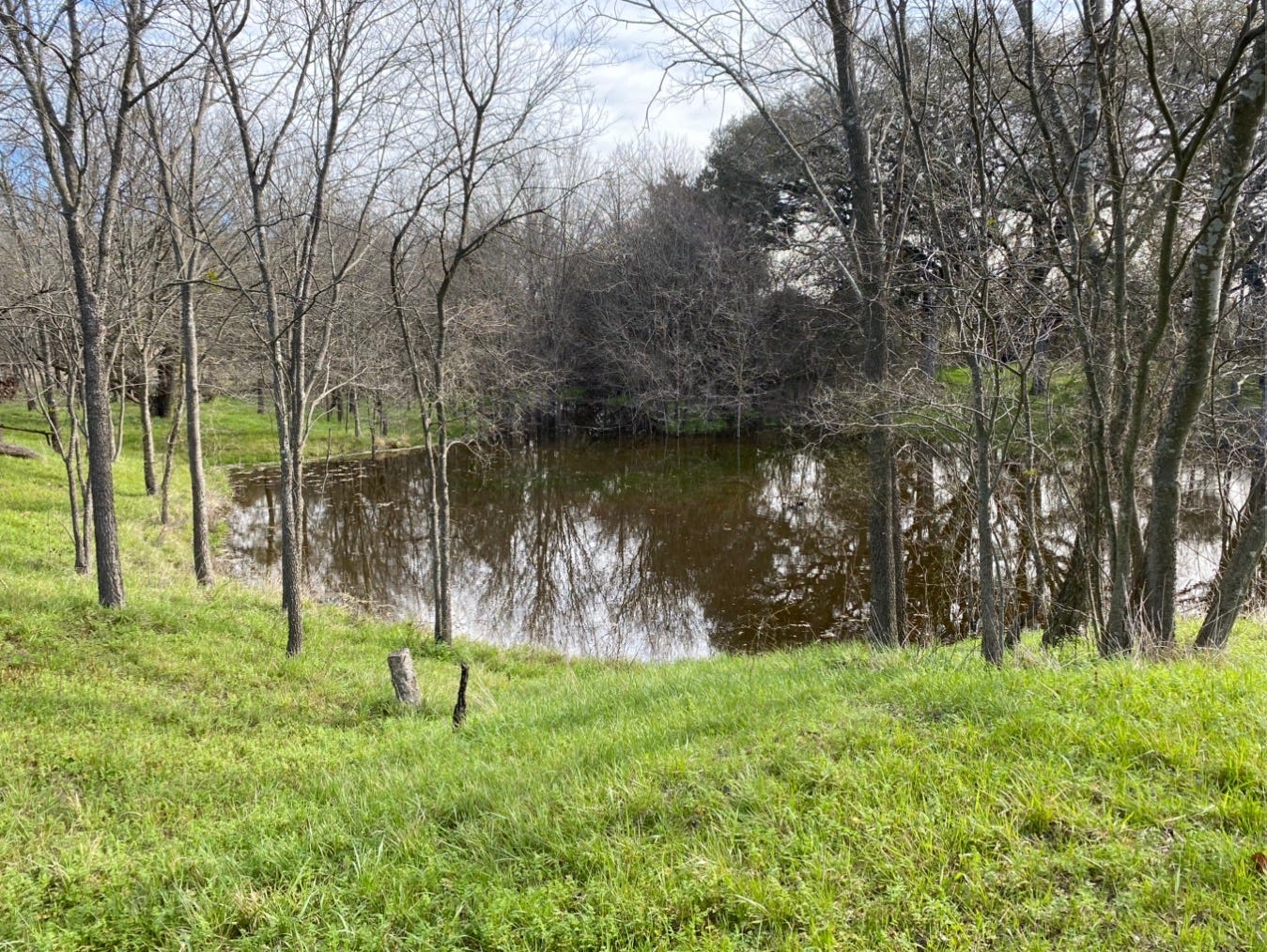
A cabin appeared in my mind’s eye, nestled on a grassy knoll just above the water’s edge, sheltered by the massive Live Oak whose unkempt branches sprawled out like a huge umbrella. I envisioned the lights glowing through the glass front, reflecting across the water, and a handful of other cabins tucked into the trees all around the heart-shaped lake—which itself could be dug out, trees cleared, and reshaped into something charming. I just stood there taking it in, trying my best not to let on too much to the realtor what I was feeling or seeing.
In that instant, I knew I had to build it, no matter what. I was convicted.
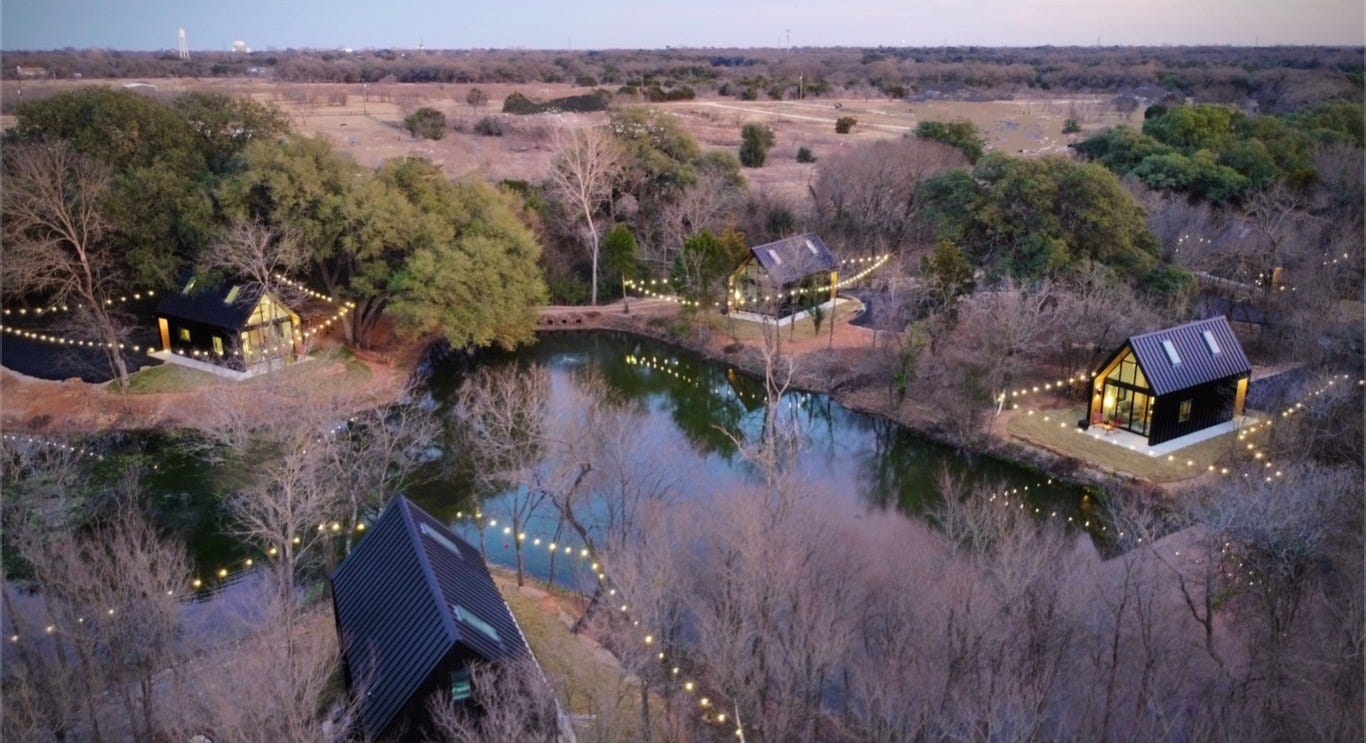
That was the defining moment not only of Live Oak Lake, but of pretty much all my work (and a good part of my life) since. It all started with a simple, clear vision.
That vision was the product of a lifetime of sketching, of noticing. A lot of folks drive past a lot of swampy ponds and never think anything at all. Drawing invisibly trains us to see not only what is there, but what could be there.
When I was little, Grandma Jan gave me and my siblings art lessons each week. I can still see her—scone in one hand, a bowl of steaming potato soup in the other—bent over, gazing back and forth between the reference photo and my drawing. Sometimes for minutes without saying anything, just eating her lunch, all the while me feeling more and more uneasy at what might be wrong. Then her weathered hand would decisively descend to overtake the pencil and she’d make a few fast, broad strokes here, a pause, and a few more there. “There, that’s better.” And it always was.
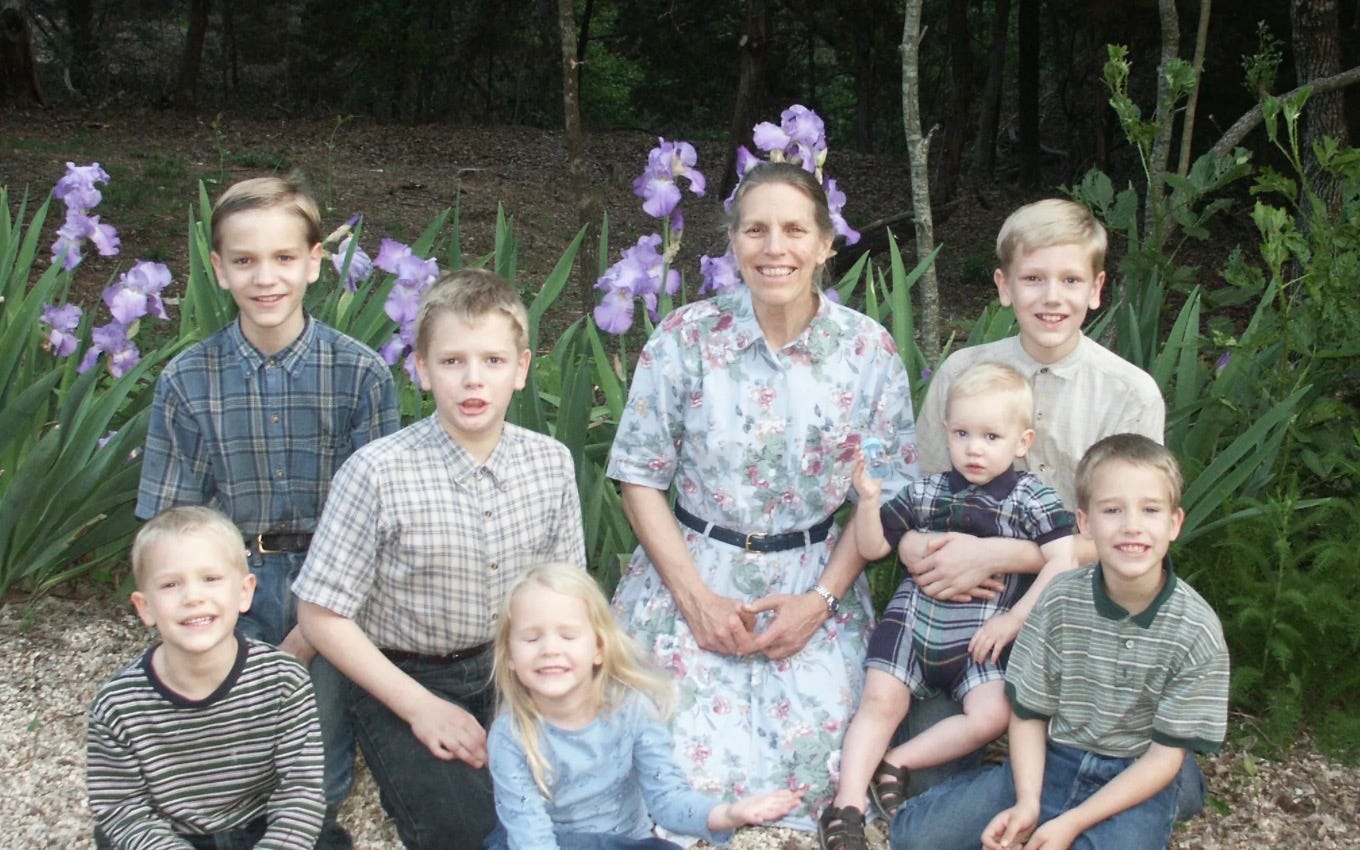
Grandma taught us how to see much more than just how to draw. I’m still learning that twenty years later. It’s a lifelong pursuit.
Drawing teaches you to notice.
When we’re young, our brains build identities for everything around us: what each thing is called, and what it looks like. Then something switches. Most of what we see is no longer relevant beyond our immediate impression. Our brain starts reading the world in shorthand, filling in blanks in snap judgements. It serves us well, until we try to draw something. Ever tried to draw a hand? Most of us produce something closer to a chicken foot skeleton. Stick figures for humans. Or “lollipop trees” as my old instructor Joe used to call what most beginners draw when asked to sketch a tree.
We draw what we think we see, not what’s actually there.
When I learned to paint, a whole new dimension was added. I remember one painter showing me something I’ll never forget: if you look at a landscape or a sky, then turn your head sideways and look again, good and hard, you will notice new colors. Brown and reds in the green trees. Blues and indigos in the shadows. Lighter blues on the horizon. A little purple in the blue sky. Try it today, or tonight at sunset.
Noticing is the foundation of any work of art, of any good design.


And it’s not just about building things. Drawing portraits has repeatedly given me the same feeling as standing by the water that February day. I’m not trying to create something, I’m just trying to notice what’s always been there. And somehow, it always feels new. Eyes are the best part. They are the window to the soul, and drawing them, I feel this deep sense that not only am I tapping into the essence of who a person is, but glimpsing the world the way they see it, even for a second.
You already have a point of view no one else on earth has. Drawing is just how you learn to use it.
Thank you, Grandma.
—isaac
P.S. Start today. Pick one familiar object and draw it. Not from memory, but from life, from what you actually see. Really look at it. You’ll notice things you’ve never noticed before. Share with me what you find - and draw? :)